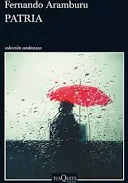
NovelNovela
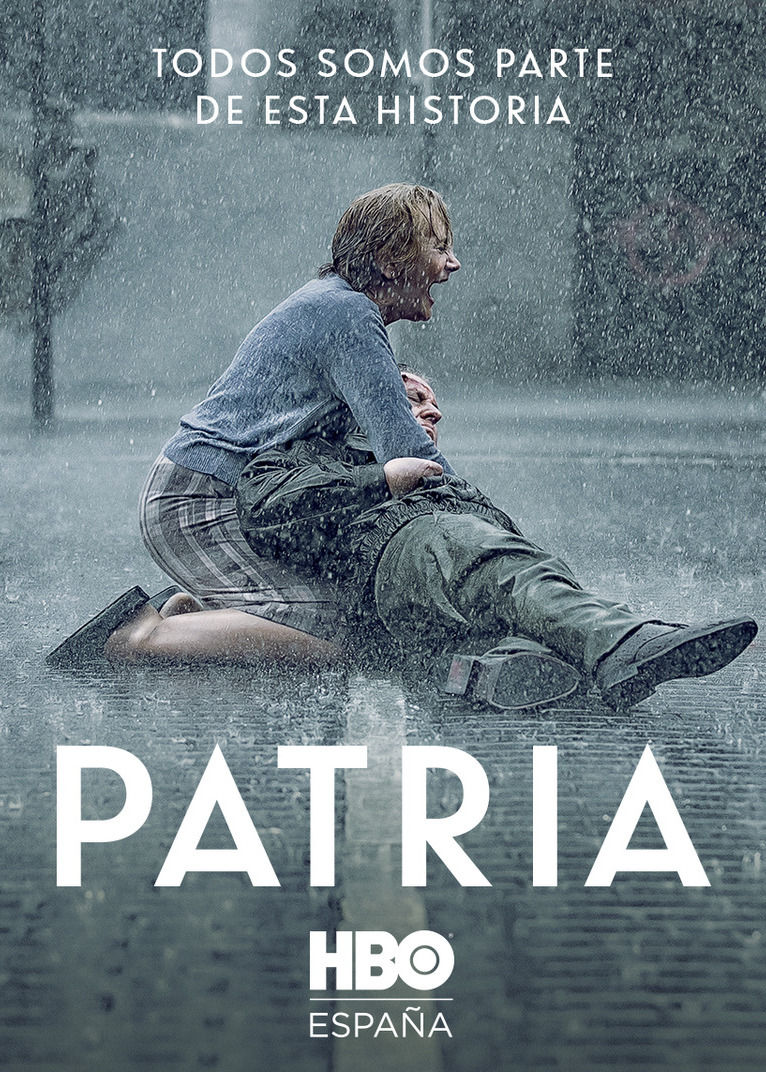
Serie HBO
A novel about memory, silence, and the wounds of terrorism in the Basque Country — B2/C1Una novela sobre la memoria, el silencio y las heridas del terrorismo en el País Vasco — B2/C1
| TitleTítulo | Patria |
| AuthorAutor | Fernando Aramburu |
| YearAño | 2016 |
| PublisherEditorial | Tusquets Editores |
| LevelNivel | B2 – C1 |
| TV AdaptationAdaptación | Patria — HBO Max (Spain, 2020)Serie Patria — HBO Max (España, 2020) |
Patria is the most acclaimed novel by Basque writer Fernando Aramburu. Published in 2016, it quickly became a literary phenomenon in Spain, with millions of readers and translations into dozens of languages. In 2020, HBO released its award-winning television adaptation.Patria es la novela más aclamada del escritor vasco Fernando Aramburu. Publicada en 2016, se convirtió rápidamente en un fenómeno literario en España. En 2020, HBO estrenó su adaptación televisiva, muy premiada.
The story begins when ETA announces the abandonment of weapons. Bittori, widow of Txato — a businessman murdered by the terrorist group — decides to return to the Basque village where she lived, near Donostia (San Sebastián). Her goal: discover who killed her husband and, if possible, obtain his forgiveness.La trama comienza cuando ETA anuncia el abandono de las armas. Bittori, viuda de Txato —un empresario asesinado por la banda terrorista— decide volver al pueblo vasco donde vivía, cercano a Donostia. Su objetivo: descubrir quién fue el asesino de su marido y, si es posible, obtener su perdón.
Facing her is Miren, her former best friend, whose son Joxe Mari is the prime suspect in the murder. Two families that were once intimate. A silence that destroyed everything.Frente a ella está Miren, su antigua mejor amiga, cuyo hijo Joxe Mari es el principal sospechoso del asesinato. Dos familias que eran íntimas. Un silencio que lo destruyó todo.
A courageous mother who unconditionally supports her son Joxe Mari. She breaks her friendship with Bittori when Txato is threatened. She becomes an abertzale (Basque nationalist) out of blind love for her son, not political conviction.Madre coraje que apoya incondicionalmente a su hijo Joxe Mari. Rompe su amistad con Bittori cuando el Txato es amenazado. Se convierte en abertzale por amor ciego a su hijo, no por convicción política.
A calm and cowardly man. Close friend of Txato, but unable to defend him against his wife. He represents the complicit silence that prevailed in Basque society.Hombre tranquilo y cobarde. Amigo íntimo del Txato, pero incapaz de defenderle ante su mujer. Representa el silencio cómplice que reinaba en la sociedad vasca.
Middle son. Joins ETA during adolescence. Prime suspect in Txato's murder. Spends years in prison, where he also suffers and reflects.Hijo mediano. Entra en ETA durante su adolescencia. Principal sospechoso del asesinato del Txato. Pasa años en prisión, donde también sufre y reflexiona.
The eldest daughter. The only one in her family who openly condemns the murder of Txato. She suffers a stroke and becomes paralyzed; she can only communicate through an iPad. A symbol of the silenced voice.Hija mayor. La única de su familia que condena abiertamente el asesinato del Txato. Sufre un ictus y queda paralítica; solo puede comunicarse a través del iPad. Símbolo de la voz silenciada.
The youngest son. Writer and radio host. He moves to Bilbao to escape everything. He hides his homosexuality for years. He also remains silent.Hijo menor. Escritor y locutor de radio. Se va a Bilbao para escapar de todo. Oculta su homosexualidad durante años. También calla.
Txato's widow. Stubborn and brave. She speaks to her husband's grave to process her grief. She returns to the village with a mission: know the truth and obtain the murderer's forgiveness. Cancer advances while she waits.Viuda del Txato. Tozuda y valiente. Habla con la tumba de su marido para procesar el duelo. Regresa al pueblo con una misión: saber la verdad y obtener el perdón del asesino. Un cáncer avanza mientras ella espera.
A truck business owner, a good man with no political ambitions. He began receiving extortion letters from ETA. When he stopped paying, the entire village turned their back on him. He was murdered.Empresario de camiones, hombre bueno y sin afán político. Empezó a recibir cartas de extorsión de ETA. Cuando dejó de pagar, el pueblo entero le dio la espalda. Fue asesinado.
A reserved and melancholic doctor. He feels guilty for not protecting his father. Emotional paralysis. He lives to care for his mother, but is unable to be happy.Hijo médico, reservado y melancólico. Se queda mirando la telaraña de su despacho, parálisis emocional. Culpable de no haber protegido a su padre. Vive para cuidar a su madre, pero incapaz de ser feliz.
The youngest daughter. Impulsive and selfish. She learns of her father's murder through the news from Zaragoza and decides not to attend the funeral. Something her mother will never forgive her for.Hija menor, impulsiva y egoísta. Se entera del asesinato de su padre por las noticias desde Zaragoza y decide no ir al entierro. Algo que su madre nunca le perdonará.
Aramburu uses multiple narrative voices. The reader enters the mind of each character and ends up empathizing with all of them, regardless of their ideology. None is completely hero or villain.Aramburu utiliza múltiples voces narrativas. El lector entra en la mente de cada personaje y acaba empatizando con todos ellos, independientemente de su ideología.
The thoughts of characters blend with the narrator's voice without typographic marks. This allows the reader to access each character's inner world naturally and immersively.Los pensamientos de los personajes se mezclan con la voz del narrador sin marcas tipográficas.
The novel begins in medias res (2011) and constantly moves forward and backward. The fragmented structure imitates how traumatic memory works: the past erupts into the present without warning.La novela empieza in medias res, en 2011, y avanza y retrocede constantemente. La estructura fragmentada imita el funcionamiento de la memoria traumática.
The action takes place in a village near Donostia whose name is never mentioned. This decision is not casual: that unnamed village represents all Basque villages. It is a microcosm of the conflict, where silence, fear, and rejection are omnipresent.La acción transcurre en un pueblo cercano a Donostia cuyo nombre nunca se menciona. Esta decisión no es casual: ese pueblo sin nombre representa a todos los pueblos vascos. Es un microcosmos del conflicto, donde el silencio, el miedo y el rechazo son omnipresentes.
Cities like Zaragoza or Bilbao represent flight and freedom for Nerea and Gorka. For Bittori, on the other hand, returning to the village is an act of resistance and emotional necessity.Ciudades como Zaragoza o Bilbao representan la huida y la libertad para Nerea y Gorka. Para Bittori, en cambio, el regreso al pueblo es un acto de resistencia y necesidad emocional.
If you have already watched the Patria series on HBO Max, use these questions to reflect on how the novel and the series differ:Si ya has visto la serie Patria en HBO Max, usa estas preguntas para reflexionar sobre cómo la novela y la serie difieren:
The stylistic and structural richness of the novel is key to its emotional impact and thematic depth, making it one of the most powerful representations of recent historical memory in contemporary Spanish literature.La riqueza estilística y estructural de la novela es clave para su impacto emocional y su profundidad temática, convirtiéndola en una de las representaciones más contundentes de la memoria histórica reciente en la literatura española contemporánea.
Patria is not just a novel about terrorism. It is a novel about silence, cowardice, blind love, guilt, and the impossibility of forgetting. It is a work that will stay with you long after you close the last page.Patria no es solo una novela sobre el terrorismo. Es una novela sobre el silencio, la cobardía, el amor ciego, la culpa y la imposibilidad del olvido. Es una obra que te acompañará mucho tiempo después de cerrar la última página.
Recommended for readers with B2–C1 Spanish level who wish to deepen their knowledge of Spain's recent history and contemporary Spanish literature.Recomendada para lectores con nivel B2–C1 de español que deseen profundizar en la historia reciente de España y en la literatura española contemporánea.
Reading guide created by Spanish Lessons with MercedesGuía elaborada por Spanish Lessons with Mercedes